Drawstring Types for Hoodies, Trousers, and Bags: A Complete Sourcing Guide
Drawstrings seem simple but the specifications matter more than most buyers realize. The wrong drawstring width, composition, or tip finish can create assembly problems in your factory, quality issues in the finished garment, or even compliance issues in certain markets. This guide covers everything you need to specify and source drawstrings correctly.
Rana Haider
5/9/20262 min read
Flat Drawstring vs Round Drawstring
Flat drawstrings are woven flat tapes, typically 8mm to 20mm wide. They lie flat in the casing, are easier to thread, and provide a clean, minimal aesthetic. They are most commonly used in trousers, shorts, skirts, and anywhere the drawstring appearance is visible from the outside.
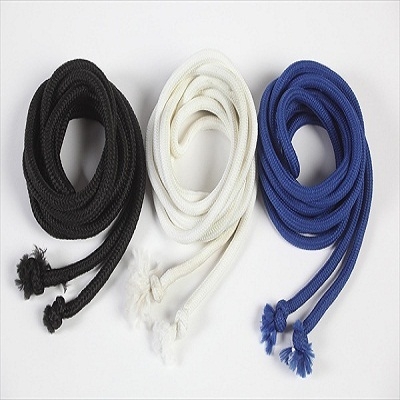
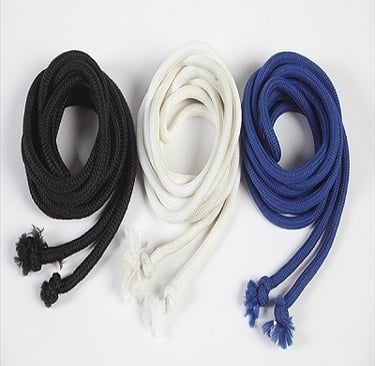
Round drawstrings are braided or twisted cords, typically 5mm to 10mm in diameter. They provide a sporty aesthetic and are most commonly used in hoodies, sweatshirts, bags, and sportswear. Round drawstrings are more prone to tangling in the casing but are the standard in sportswear and streetwear.
The choice between flat and round is primarily aesthetic and application-driven. Flat for trousers and structured casuals; round for hoodies, sportswear, and bags.
Composition: Cotton vs Polyester vs Nylon
Cotton drawstrings have a soft, natural feel and are preferred for premium casualwear, organic product lines, and childrenswear. They are OEKO-TEX certifiable and provide good colour acceptance for dyeing. Their limitation is lower durability and greater susceptibility to shrinkage.
Polyester drawstrings are more durable, colour-fast, and resistant to washing and abrasion. They are the standard choice for sportswear, workwear, and any application where the drawstring will be subjected to repeated use and washing.
Nylon drawstrings are stronger than polyester and provide a smoother surface, making them ideal for applications where the drawstring must slide easily through a tight casing. They are commonly used in bags and outdoor gear.
Tip Finishes: What They Are and Why They Matter
A tip (or aglet) is the finished end of a drawstring. Without a tip, the drawstring end will fray during use and eventually pull back through the casing — a common quality complaint in fast fashion products.
Metal tips provide the most durable finish and a premium aesthetic. They are used in premium casualwear, streetwear, and bags where the tip is a visible design element.
Plastic tips are injection-moulded ends in a range of colours and shapes. They are the standard choice for mass-market hoodies and sportswear.
Heat-sealed tips are created by melting the end of a synthetic drawstring to prevent fraying. They are the lowest-cost finish and are used in basic sportswear and lower price-point products.
Specify your tip type when ordering drawstrings in bulk. A manufacturer who does not offer tip finishing will require you to source tips separately — an unnecessary complication.
Compliance Considerations for Drawstrings
Drawstrings in childrenswear are subject to specific safety regulations in the EU, UK, and North America. The EU's EN 14682 standard restricts the length, position, and configuration of drawstrings in children's garments to prevent strangulation risk.
Always verify drawstring specification compliance for childrenswear with your target market regulations before production.
Source Drawstrings from Famous Accessories
Famous Accessories manufactures drawstrings in-house at our Ashulia, Dhaka facility. We produce flat and round drawstrings in cotton, polyester, and nylon, with metal, plastic, and heat-sealed tip options.
Our drawstrings are OEKO-TEX compliant and available in custom widths, compositions, colors, and lengths. Contact us for samples and bulk pricing.
Ready to place a bulk order?
Contact Famous Accessories today — famousaccrs@gmail.com | +8801716157162