Why In-House Elastic Manufacturing Gives You Better Quality Control Than Trading Companies
When sourcing elastic in bulk from Bangladesh, you will encounter two types of suppliers: manufacturers who produce elastic themselves, and trading companies who source elastic from various manufacturers and resell it. The difference is significant — and getting it wrong can create quality problems that are expensive to fix.
Rana Haider
5/9/20263 min read
The Difference Between a Manufacturer and a Trading Company
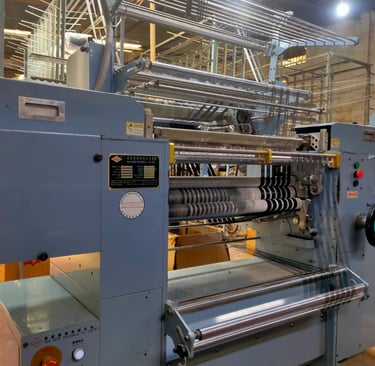
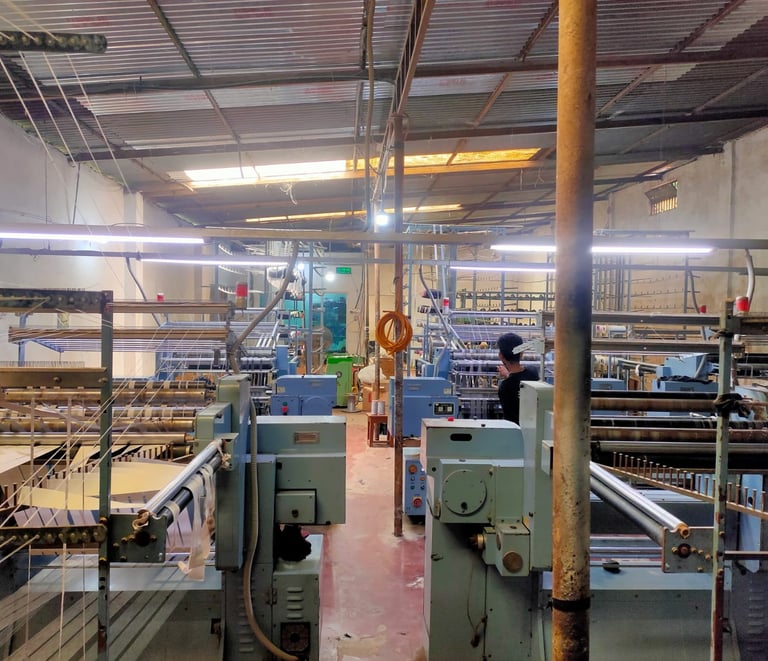
An elastic manufacturer has production machinery, raw material management, and quality control processes on-site. When you place an order, they produce your elastic themselves from raw materials to finished product.
A trading company has no production capability. They source elastic from one or more manufacturers, mark it up, and sell it on. The trading company acts as an intermediary between you and the actual manufacturer.
Trading companies are not inherently bad. In some categories and contexts they serve a useful role. But for bulk elastic ordering where quality consistency across large quantities is critical, the intermediary layer creates problems that manufacturers do not have.
Quality Control: Manufacturer vs Trading Company
When you order from an in-house manufacturer, the factory controls every step of the production process. Raw material selection, yarn quality, machine settings, production speed, quality inspection — all happen under one roof under consistent management.
When you order from a trading company, your elastic may come from any factory in their network — potentially a different factory on reorder than on the original order. The trading company's quality control consists of inspecting incoming goods from their suppliers, not controlling the production process.
The result is that bulk elastic from trading companies is more prone to batch-to-batch variation. The elastic that passes sample approval may come from a different production run to the bulk delivery. If the trading company's supplier changes a machine setting, a yarn source, or a production process between orders, you may receive elastic that does not match your approved sample — with no obvious explanation.
Lead Time: Manufacturer vs Trading Company
An in-house elastic manufacturer can give you a production schedule and commit to a lead time because they control their own production capacity. You know when your order starts and ends.
A trading company is dependent on their suppliers' capacity and production schedules. If their supplier is at capacity, your order waits. If their supplier prioritises another customer, your delivery slips. The trading company may not even be aware of these delays until they are already affecting your schedule.
Certification: Manufacturer vs Trading Company
OEKO-TEX certification belongs to the manufacturer, not the trading company. When you source OEKO-TEX certified elastic through a trading company, the certificate belongs to whatever factory actually produced it — which may not be consistently the same factory.
For buyers who need to demonstrate supply chain compliance, sourcing directly from a certified manufacturer with a verifiable certificate number is the only reliable approach. A trading company cannot provide this certainty.
How to Identify an In-House Elastic Manufacturer in Bangladesh
Ask direct questions: What machines do you use for elastic production? What is your monthly production capacity? Can I visit the production floor? These questions cannot be answered convincingly by a trading company without production capability.
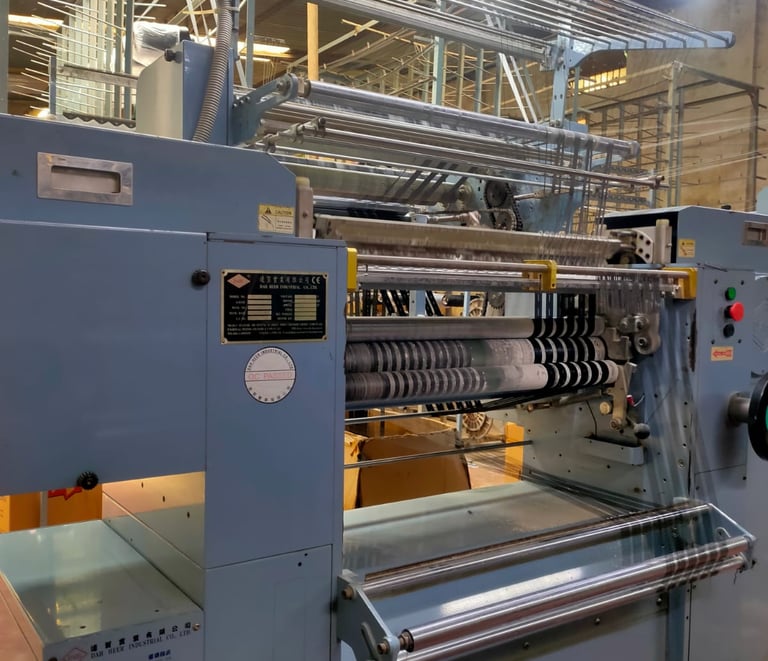
Look for specific machinery claims: A genuine elastic manufacturer will tell you the brand and model of their production machines. DAHU Korean machinery is the standard for established Bangladesh elastic manufacturers. If a supplier cannot name their machinery, they are likely a trading company.
Verify OEKO-TEX certification: A genuine manufacturer's OEKO-TEX certificate will name their factory. Verify that the address on the certificate matches the factory you are dealing with.
Famous Accessories — In-House Elastic Manufacturer, Mirpur, Dhaka
Famous Accessories manufactures elastic entirely in-house at our Mirpur, Dhaka facility. We produce 1.2 million yards per month on DAHU Korean machinery under OEKO-TEX Standard 100 certification.
Every elastic order — from sample to bulk delivery — comes from the same production facility, operated by the same team, using the same machinery and processes. This is the foundation of consistent quality across large batch orders.
We supply elastic to ZARA, H&M, and GAP. Factory visits welcome. Bulk inquiries responded to within 24 hours.
Ready to place a bulk order?
Contact Famous Accessories today — famousaccrs@gmail.com | +8801716157162