Woven Interlining vs Non-Woven Interlining: What Is the Difference and Which Should You Use?
Interlining is the invisible component in every structured garment. It is the inner layer that gives collars their crispness, cuffs their stiffness, front plackets their stability, and structured jackets their shape. Without interlining, most structured garments would lose their form after the first wash. But not all interlining is the same — and choosing between woven and non-woven types can significantly affect your product quality and cost.
Rana Haider
5/9/20262 min read
What Is Interlining?
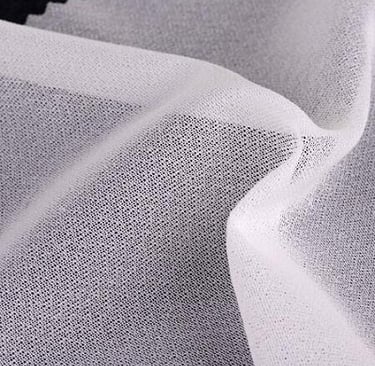
Interlining is a layer of material sewn or fused between the outer fabric and the lining of a garment. It provides structure, stability, and body to specific areas that need to hold their shape.
It is used in: shirt collars and collar bands, cuffs on shirts and jackets, jacket and coat front panels, waistbands on trousers and skirts, plackets on shirts and jackets, and bag panels and structured accessories.
Interlining is available in two primary forms: sew-in (attached by stitching) and fusible (bonded to the fabric with heat and pressure). The vast majority of commercial garment production uses fusible interlining.
What Is Woven Interlining?
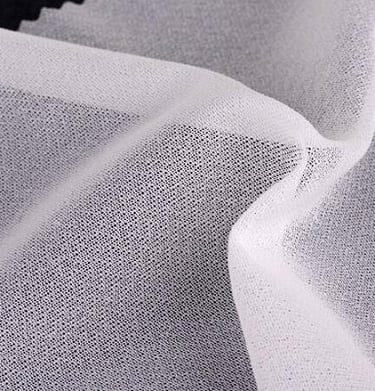
Woven interlining is made from woven fabric — typically cotton, polyester, or a blend. It has the grain and drape characteristics of a woven textile, meaning it behaves similarly to the garment fabric it is used with.
Woven interlining is preferred for: high-end tailored garments where the natural drape of the interlining must match the face fabric, sew-in applications in premium suits and coats where fusible interlining would create a stiff result, bias-cut garments where the interlining must follow the grain of the outer fabric, and natural fibre face fabrics like wool and silk that may not respond well to fusible bonding.
What Is Non-Woven Interlining?
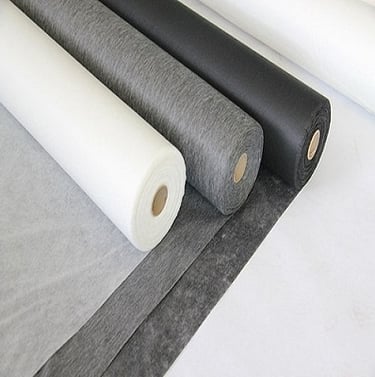
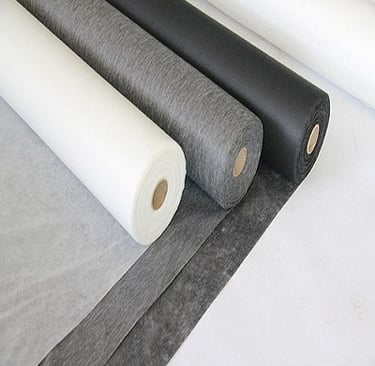
Non-woven interlining is made by bonding fibres together without weaving. The fibres are entangled mechanically (needle-punched), chemically (resin-bonded), or thermally (spun-bonded) to create a flat material.
Non-woven fusible interlining is the most widely used type in commercial garment production. It is applied by pressing with heat, which melts a thermoplastic adhesive coating on one face of the interlining, bonding it to the back of the face fabric.
Non-woven interlining is preferred for: mass-market and commercial garment production where cost efficiency and production speed are priorities, structured areas like collars, cuffs, and plackets in shirts and casual jackets, applications where the interlining is not visible and fabric hand feel in the structured area is not critical.
Choosing Between Woven and Non-Woven Interlining
Price point: Non-woven interlining is significantly less expensive than woven. For most commercial garment applications, non-woven fusible interlining is the correct choice.
Product category: Premium tailoring, suits, and coats — choose woven. Commercial shirting, casual jackets, and mass-market garments — choose non-woven.
Face fabric: Natural fibres and delicate fabrics benefit from woven sew-in interlining. Synthetic and blended fabrics work well with non-woven fusible.
Production method: If your factory has fusing presses, non-woven fusible interlining is highly efficient. Sew-in woven interlining requires more labour-intensive application.
Source Interlining from Famous Accessories
Famous Accessories supplies both woven and non-woven interlining from our Dhaka facility. Our interlining range is OEKO-TEX compliant and available in a range of basis weights and bond strengths for different garment applications.
We supply interlining alongside our full accessories range — elastic, woven belts, twill tape, drawstrings, labels, and hang tags. Contact us for specifications, MOQ details, and bulk pricing.
Ready to place a bulk order?
Contact Famous Accessories today — famousaccrs@gmail.com | +8801716157162